Explore. Test. Find out.
Investigate an idea, collect evidence or discover the science behind an everyday question.
Science Labs
Choose a Science 8 unit or search by topic, format or skill. Each investigation opens with its own notebook, evidence tools and guidance.
No investigations match. Try another word or select all units.
Does size change density?
A bigger block has more mass. Does that mean it has a greater density? Use a model to test your idea.
Does warmer oil flow faster?
Keep the liquid and opening the same. Change the temperature, time a fixed amount flowing, and compare repeated readings.
Can you rescue a mixture?
Gravel, sand and salt are mixed together. Choose a route to recover them, test your plan and use evidence to judge the result.
Can a longer lever reduce effort?
Move the effort point, keep the load in place, and measure the force needed to lift it slowly.
Does a ramp save work?
A gentler ramp may need less force. Measure the longer journey too, then compare input work with the useful lift.
What happens when gears mesh?
Change the driving and driven gears. Track their turns and discover the trade-off between speed and turning effect.
Which bicycle gear goes farther?
Change one sprocket in a bicycle model. Keep the wheel and pedalling period fixed, then compare distance travelled over model time.
Can a small push lift a heavy load?
Change the output piston size. Test how a hydraulic lift trades distance for force.
Inclined Plane Lab
Build a virtual ramp, keep the entrance height fixed, and find out how ramp length trades off against effort force.
How does light bend in water?
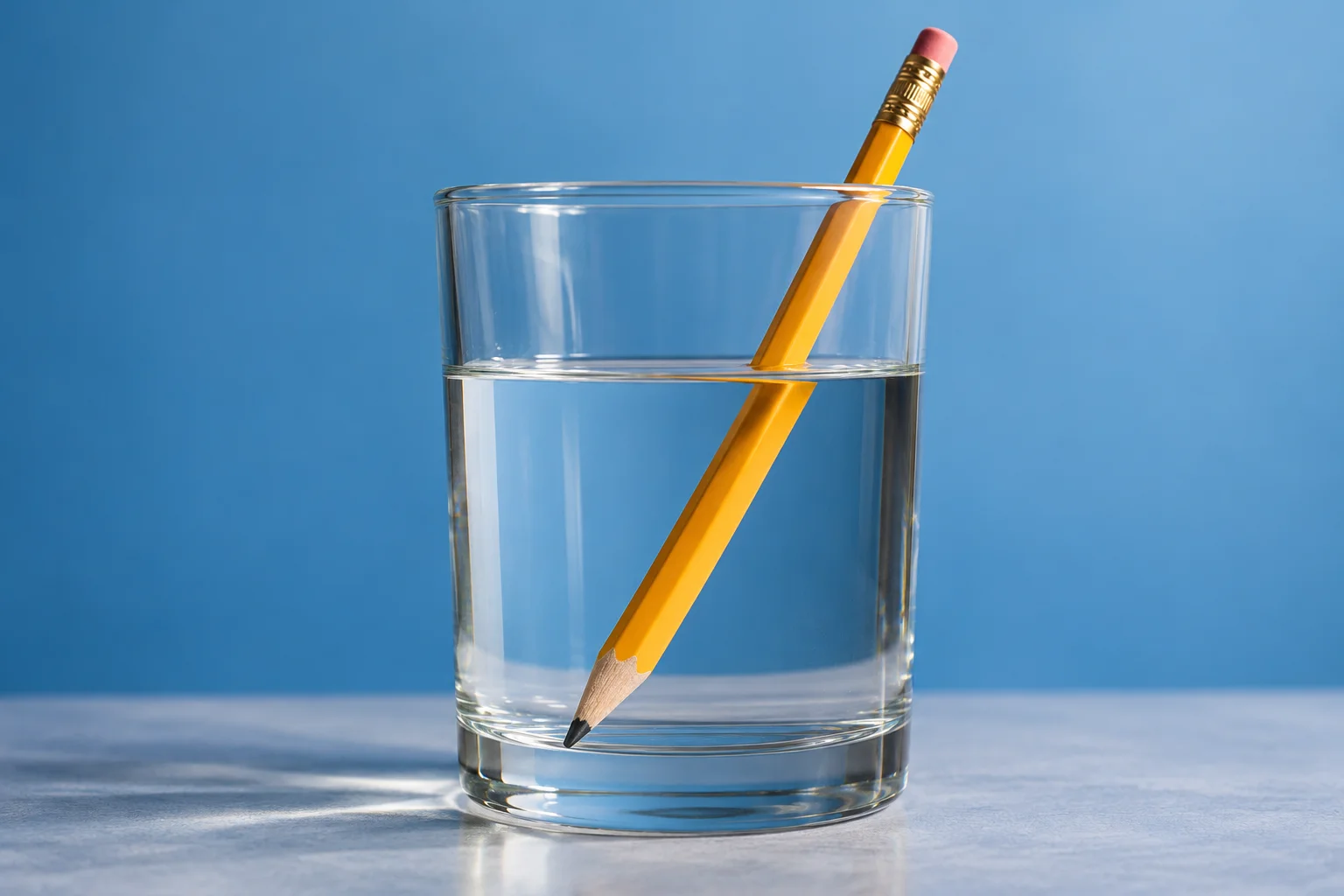
Aim a light ray at water. Measure its direction before and after the surface, then use your evidence to explain refraction.
Global Energy Budget Lab
Shine a virtual lamp on a swappable sample — dark soil, light sand, or open water — and find out why some surfaces warm up faster than others.
Curious Questions
Short explorations that connect classroom ideas to the world around you.