How can a massive ship float?
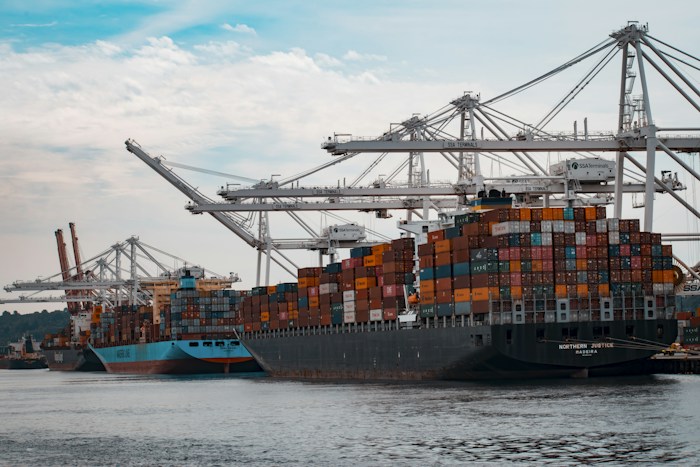
A steel nail sinks, but a ship made mostly of steel can float. The difference is the volume of water displaced compared with the total weight.
Water pushes back
Water pressure increases with depth. The pressure on the bottom of a submerged object is greater than the pressure above it. Together these pressure forces produce an upward force called buoyancy.
Archimedes’ principle says that the buoyant force equals the weight of the fluid displaced. A floating ship settles until the weight of the water it displaces equals the ship’s total weight, including its cargo.
The hull changes the average density
A ship’s hull encloses a large volume, much of it air. Its overall mass divided by the volume that excludes water can be lower than the density of water. The shape allows enough water to be displaced before the hull is submerged.
Try a model
Shape a small piece of foil into a tight ball, then compare it with an equal piece shaped into a wide boat. Add small equal masses carefully. What changes when the boat takes on water? Dry the floor after your investigation.
Explore the related unitIllustration or photograph provides context; use the explanation to understand the science.