GRADE 8 SCIENCE · MATTER IN MOTION

Safe investigations & WHMIS

Read the hazards. Plan the procedure. Work safely.

Safety reference

Open PDF →

Read the hazard information

WHMIS labels and Safety Data Sheets communicate hazards and precautions for hazardous workplace products. A symbol is a clue, not a complete set of instructions: read the label and follow your teacher’s directions for the particular material.
Plan before handling

Identify what you are testing, the approved materials, controls, protective equipment and cleanup. Never taste an unknown substance, smell it directly, mix unknown products or return unused chemicals to their original container unless instructed.

Respond to an unexpected result

Stop, keep others away from a spill or broken glass and tell your teacher. Follow the classroom procedure for cleanup and disposal; a material looking harmless is not evidence that it is safe.

READ THE SYMBOL · THEN READ THE LABEL

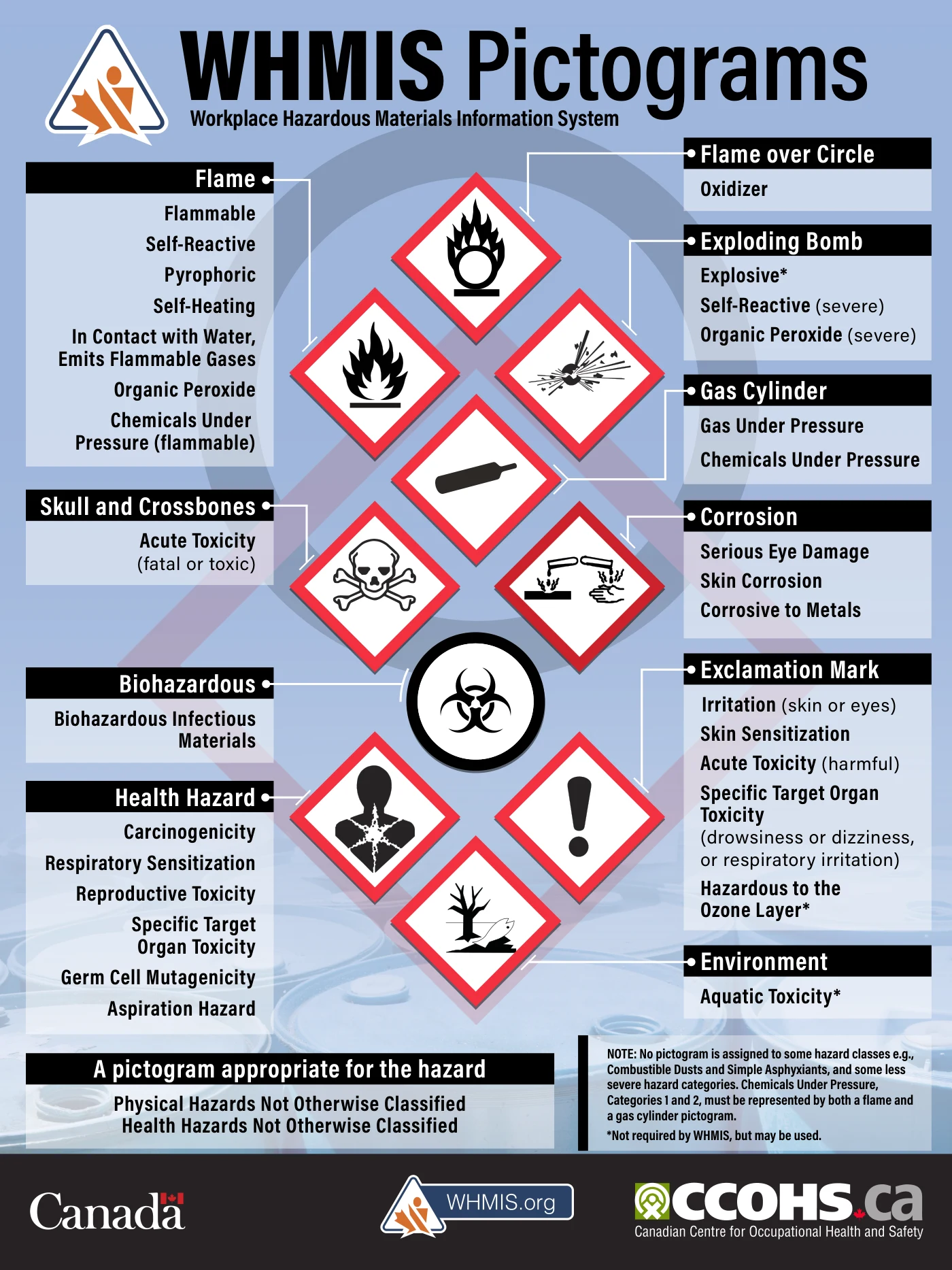
Explore the WHMIS pictograms

Choose a symbol to reveal its meaning. A pictogram does not replace the label, Safety Data Sheet or approved classroom procedure.

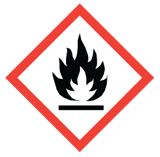
Flame WHMIS pictogramFlameReveal meaning +

Can identify flammability and several reactive hazards. Read the label for the particular hazard.

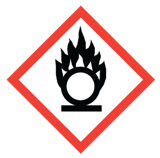
Flame over circle WHMIS pictogramFlame over circleReveal meaning +

Oxidizing materials can cause or intensify a fire.

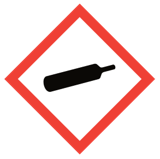
Gas cylinder WHMIS pictogramGas cylinderReveal meaning +

Gases under pressure and chemicals under pressure.

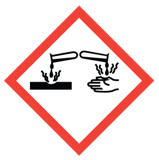
Corrosion WHMIS pictogramCorrosionReveal meaning +

Can identify serious eye damage, skin corrosion or corrosion of metals.

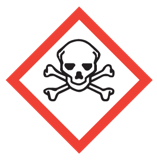
Skull and crossbones WHMIS pictogramSkull and crossbonesReveal meaning +

Acute toxicity: fatal or toxic.

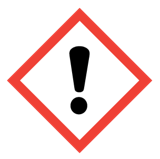
Exclamation mark WHMIS pictogramExclamation markReveal meaning +

Can identify irritation, skin sensitization or harmful acute toxicity, among other hazards.

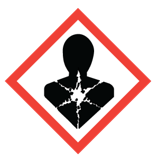
Health hazard WHMIS pictogramHealth hazardReveal meaning +

Can identify serious health effects, including respiratory sensitization and damage to organs.

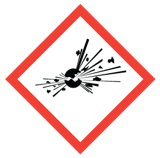
Exploding bomb WHMIS pictogramExploding bombReveal meaning +

Severe self-reactive substances and organic peroxides may use this pictogram.

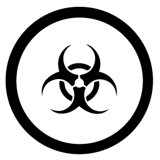
Biohazardous infectious materials WHMIS pictogramBiohazardous infectious materialsReveal meaning +

Organisms or toxins that can cause disease in people or animals.

Official artwork: CCOHS. Some hazards do not require a pictogram; no symbol does not mean no hazard. The environment pictogram may appear but is not required by WHMIS.

Read the CCOHS pictogram guide →
THINK IT THROUGH

Two similar-looking liquids have different labels. What should you do?

Reveal the reasoning

Read each label and use the approved procedure. Do not infer hazards or disposal from colour, smell or the fact that both liquids flow.

TRY IT

Try it yourself

A clear, unlabelled liquid is on your bench. What should you do?

Give me a hint

What evidence is missing, and who can help?

Compare with a worked response

Do not handle, taste, smell directly or mix it. Tell your teacher and follow the classroom procedure. Its appearance does not identify it.

TAKE IT FURTHER

Investigate & explain

Choose an approved, labelled product. Record the hazard information and precautions given by your teacher. Explain why appearance alone would not be enough to determine how to handle it.

Which part of your answer is an observation and which comes from the label?

Compare your reasoning

The visible colour, state or appearance is an observation. The named hazard and handling directions come from the label, Safety Data Sheet and approved procedure. Keep those sources separate in your explanation; appearance cannot establish safety.

Common question: A clear household liquid must be safe.

Many clear substances are hazardous. Follow the actual label and safety instructions.

CHECK YOUR UNDERSTANDING

Put the ideas to work

Choose an answer, then use the feedback to refine your reasoning.

1. What is the best first step before handling a product?

2. Why is a WHMIS pictogram only a starting point?

3. What should you do after a spill?

What are you curious about?

Search lessons, class notes and interesting questions.